


3 decorative styles that will be trending in spring 2026
- Feb 16
- 2 min read
From curated maximalism to sophisticated naturalism — plus a decorative style focused on rediscovering grandma’s treasures.

Spring 2026 arrives as a breath of fresh air in the world of interior design. Trending decorative styles move away from classic minimalism — strongly associated with Nordic aesthetics — and revisit others that have stood out in recent years, such as eclectic design based on mixing colors and prints or mid-century modern influences, where 1970s aesthetics play a major role.
This season is defined by a balanced and intentional blend of styles that have coexisted over the last decade. According to interior design experts, these are the trends that will dominate.
Curated maximalism: excess with purpose
The motto “more is more” entered homes as a response to years dominated by Nordic minimalism. Clean white spaces, light wood furniture, and nearly decoration-free interiors have given way to richer environments designed to express personality and character.

This season’s maximalism evolves into a more mature version — it’s no longer about accumulating objects, but selecting them with intention. Interiors become more expressive, personal, and emotional, moving away from neutral or anonymous spaces.

To achieve balance, the key is creating a strong base with timeless, high-quality furniture and textiles that prevent the final result from feeling chaotic. Designers recommend mixing pieces with history, artisanal objects, art, and contemporary design, all connected by a clear narrative. Luxury is no longer defined by austerity but by identity.
Granny chic: rediscovering grandma’s treasures
Home textiles with embroidery or lace, silver tableware, and porcelain dishes have become objects of desire for new generations. Visiting your grandmother’s house and rescuing decorative treasures can be more appealing than buying something new — nostalgia and the desire to elevate heirloom pieces are key drivers of this trend.
Interiors and objects become tools for self-expression, often marked by humor, boldness, and an experimental spirit. References to childhood, retro prints, and floral patterns traditionally associated with older generations are combined in surprising — and slightly eccentric — ways.
These vintage elements coexist with contemporary, functional spaces, but are given a privileged visual role. Retro color palettes dominate, including ochres, reds, and deep tones, along with gingham, floral patterns, stripes, patchwork, embroidery, and cross-stitch — all reflecting a renewed appreciation for craftsmanship and a simpler, more offline lifestyle.
Sophisticated naturalism: an ode to organic decoration
In contrast to the two previous styles, nature-inspired interiors remain a safe and timeless choice. These spaces emphasize calm, well-being, and harmonious environments.

Materials such as stone, clay, and aged wood dominate, refined through clean lines that avoid overly rustic “country” references and instead aim for timeless elegance.
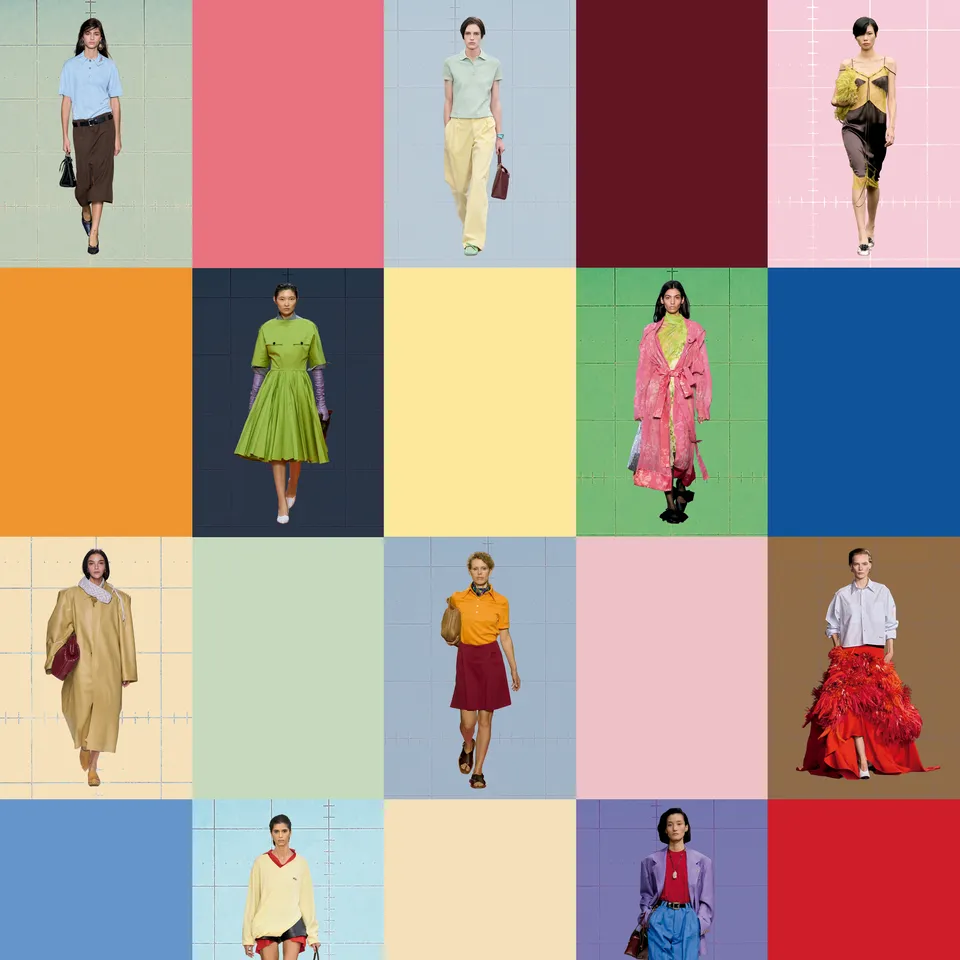
The key difference for 2026 lies in the color palette. Designers are moving away from stark white tones and embracing richer hues such as chocolate brown, toasted terracotta, olive and moss green, petrol blue, deep burgundy, muted butter yellow, and off-white shades like cream, linen, or bone.

Comments