


My 2026 Indoor-Design Predictions: Styles, Colors & Textures
- Nov 5, 2025
- 3 min read
As I look ahead to 2026, I’m anticipating a rich, layered evolution in interior design — one where multiple trends coexist, blending comfort with personality, tradition with bold expression.
Styles I See Emerging & Resurfacing
Warm Japandi will continue evolving into a more textural, cozy version for cooler months — an intersection of minimalism and organic warmth.
A modern-rustic aesthetic remains strong, mixing dark, noble woods with clean, contemporary lines.
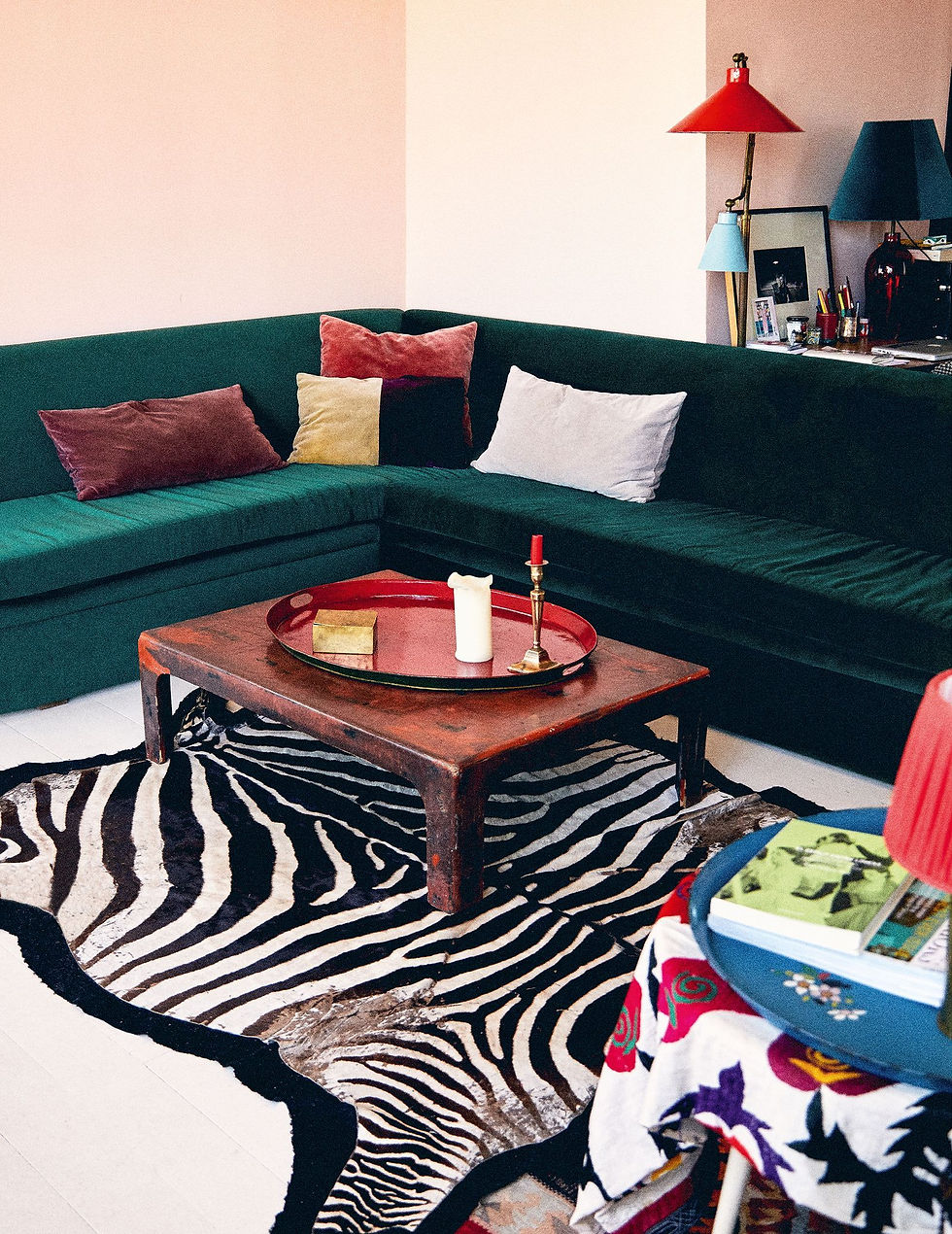
I expect “elegant maximalism” to make a comeback: rooms that tell personal stories through curated art, textiles, and meaningful objects — without tipping over into overwhelming clutter.
Wabi-Sabi and handcrafted artisanal pieces will gain more traction: imperfect ceramics, vintage finds, and furniture with history present in visible texture. Art Deco influences will be reinterpreted: softer curves, geometric patterns, lacquered finishes — updated for today’s sensibilities.
On the more pared-back side, I foresee a refined minimalism that retains clean lines and a neutral base, but incorporates bursts of pop via bold lamps, sculptural pieces, or retro touches.
A modern version of cottage-core will rise: traditional elements like wood paneling, rich textiles, and floral motifs modernized with saturated color palettes and more personal flair.

My Color Palette Forecast
Neutrals will still anchor interiors — but the neutrals in 2026 won’t feel stark or cold. Think warm earth tones: clay, terracotta, ochre; cozy beiges; taupes and “warm grays.”
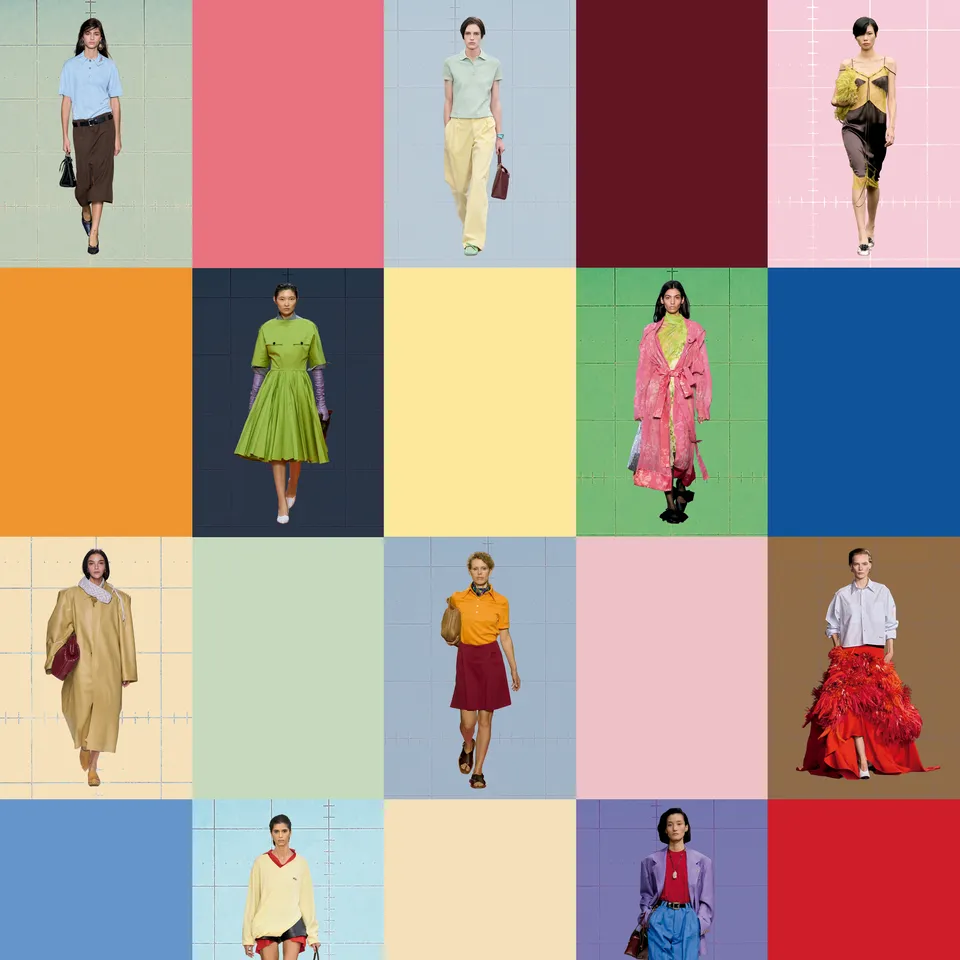
Accent colors will deepen. I predict strong use of saturated hues such as mandarin orange, petrol blue, and burgundy/red tones. These will punctuate spaces that otherwise feel grounded and calm.
For specific rooms: kitchens may lean toward greens and deep blues; living areas will sustain warm neutral backdrops with bold accents; bedrooms may soften into sage or muted blue-gray to promote restfulness; while bathrooms might experiment with daring deep greens, intense blues, or even dramatic blacks as accent or feature walls.

Textures & Materials I Expect to Dominate
Natural materials will stay central. I see further growth in sustainable or reclaimed wood, especially darker noble woods — walnut, cherry, chestnut — with visible grain, knots, and natural patina.
Fibers such as linen, jute, wool, and hemp will be layered; rugs, upholstery, and curtains will feature visible fibers and tactile surfaces.
Stone materials — marble, travertine, and other natural stones — will continue to appear in floors, countertops, and decorative objects.
Metal finishes will diversify. While warm brass remains beloved, expect renewed interest in copper and bronze. At the same time, cooler finishes like chrome or nickel will reappear in kitchens and bathrooms as accents or striking features.
Textiles will be a major focus: velvet moving forward as a favorite upholstery or cushion fabric; sherpa or faux-shearling as cozy elements in throws or pillows. Bouclé remains, but perhaps less dominant.
Patterned textiles — florals, botanical prints, tartan and vintage-inspired motifs — will be layered and overlapped, combining multiple patterns in one space to evoke visual richness and depth.

Predicting Key Decorative Techniques & Objects
One of the design techniques I’m watching is drenching: painting walls and ceiling in the same intense color to make the architecture part of the design statement. This works especially well in rooms with interesting moldings or built-ins, or to unify space visually.
Wallpaper — especially botanical, geometric, or pastoral printed murals — will become more dramatic and immersive, even extending onto ceilings.
Decorative objects will lean toward sculptural and one-of-a-kind: vintage finds, artisanal ceramics, unique mirrors, and lamps that double as art.
Furniture and lighting in stainless-steel or other reflective metals may be used as accent pieces to contrast with warm woods and soft textiles.
I also foresee collectors’ pieces and heritage items — heirlooms, reclaimed artifacts, small-scale art — being curated into spaces to lend personality, nostalgia, and authenticity.



Comments